Please wait

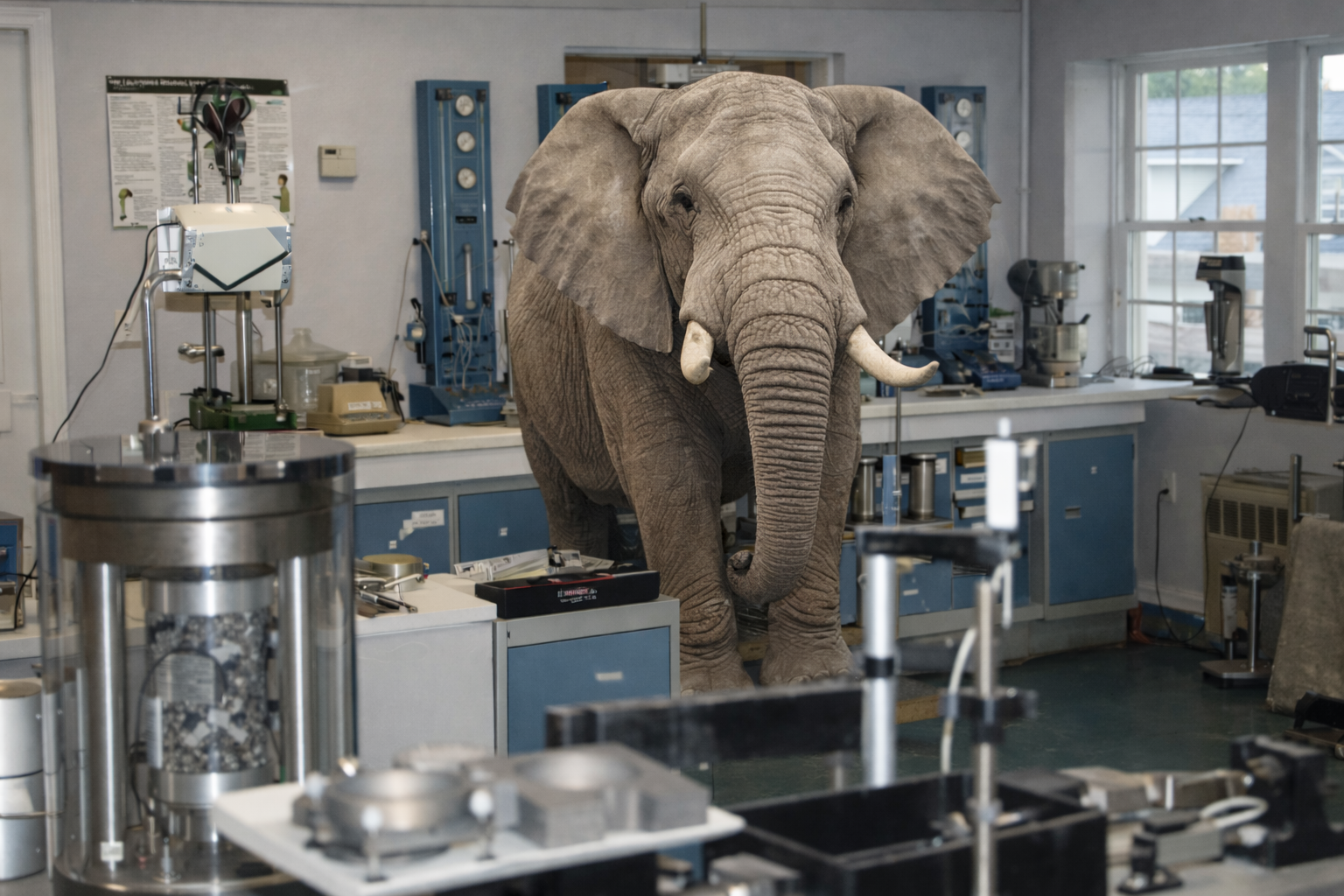
Address early the elephant in the room

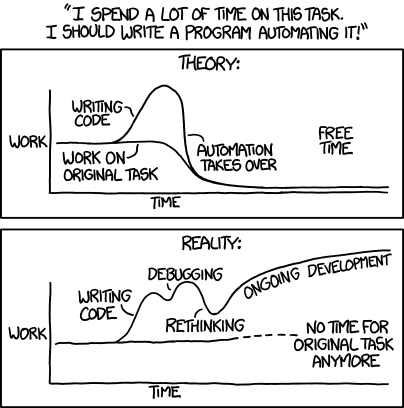
​Automation and parametrization in engineering and construction are currently revolutionizing the whole industry. Here are a few useful tips to avoid encountering situations where programming and automation becomes more time-consuming than the primary task in hand.
1. Keep It Simple: Start with a modular approach to avoid complexity. If what you try to automate is complex, break it into smaller parts. Focus on small wins first and connect the dots later.

2. Clean and Generic Code: Keep the code as clean, straightforward, and generic as possible. This should also reduce the debugging efforts. Good documentation is a must-have, not a good to have. Writing modular functions or classes in Python that can be adapted across multiple projects saves time in the long run.

3. Invest Time in Planning: Good planning helps to foresee bottlenecks and ensure smoother development. Use detailed flowcharts to have a systematic and well-organized approach to development. Every transformation and data flow should be well-documented and understood beforehand.

4. Sufficient Testing: Implement unit tests, integration tests, and regression tests. For predictive maintenance models, testing with various scenarios and input data ensures the model behaves correctly under diverse conditions. Automating these tests can ensure long-term stability.

5. Educating End Users: Empower non-programmers to engage with the automation tools. Providing training to engineers on how to modify simple Python scripts (such as adjusting parameters in a configuration file) can help them take ownership of automation tools without being fully dependent on developers.

6. Selecting the Right Tools: Use updated and compatible software. Choosing an outdated or non-standard software tool can lead to inefficiencies. For instance, ensuring your automation scripts are compatible with modern cloud platforms allows scalable deployment without resource limitations.

By following these principles, programming, and automation efforts become more efficient, with a reduced risk of overshooting the intended goals. Automation should enhance productivity without burdening teams with unnecessary complexity.

Share

Related Blog

Geotechnical Data and Databases
Convert your AGS data to Excel

As digitization and visualization of geotechnical data become more and more relevant in today’s fast-paced projects, geotechnical engineers and geologists are increasingly required to deal with vast amounts of data and produce easy-to-read visualization graphs and models.

Geotechnical Data and Databases
The Casagrande Plasticity Chart

The Casagrande Plasticity Chart is a graphical tool used in geotechnical engineering to classify fine-grained soils based on their plasticity characteristics.

Geotechnical Data and Databases
Soil densification. Understanding relative density and its role in soil stability

Understanding relative density is essential when it comes to soil densification, particularly for cohesionless soils as it helps engineers make informed decisions about the need for densification and the methods required to achieve the desired soil stability for construction projects.

Geotechnical Data and Databases
Why bother?

Why bother digitizing your geotechnical data? Ensuring competitiveness in geotechnical engineering in an increasingly data-driven era.

Field Testing and Instrumentation
Beyond PDFs: Dive Beneath with Orycta XPLORE

As geotechnical engineers, we spend countless hours reading, reviewing, and analyzing factual and interpretative reports. But how often do we truly look into our data? Dive into geotechnical data files with Orycta XPLORE.

Geotechnical Data and Databases
Lessons Learned from Landmark Soil Improvement Projects in the GCC region.

The execution of large-scale soil improvement works across the GCC has provided critical insights into the complexities of working with challenging geotechnical conditions in arid and coastal environments. One key lesson is the importance of tailoring improvement techniques, such as roller compaction, dynamic compaction, vibro-compaction, vibro-replacement and deep soil mixing, to site-specific soil profiles and conditions.

Geotechnical Data and Databases
Orycta’s lessons learned from helping clients choose the right soil investigation partners

Anyone working in the United Arab Emirates (UAE) or GCC knows that our ground conditions are anything but straightforward. We often deal with medium-dense to dense sands transitioning into sandstone or calcarenite, with varying degree of cementation. It’s that grey zone between soil and very weak rock that makes interpretation and design so ch

Join Our Community

Are you an engineer passionate for new technologies and programming? Have an exciting project and want to explore what automation and AI can do for you?​ Want to join our growing team or provide recommendations for future developments?

We want to hear from you!

info@orycta.com
image

Connect with us at social media!